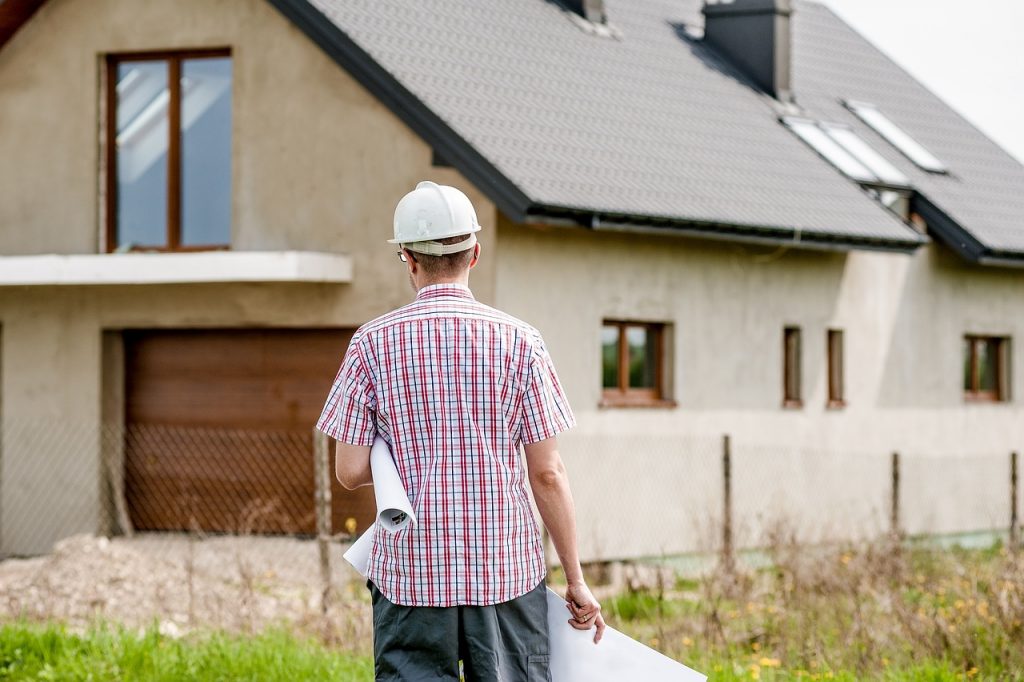
The main difference with a self-build mortgage is that the money is released in stages as the build progresses, rather than as a single amount. Here's how it works.
How funding works
- Land purchase — some lenders lend up to around 75% of the land's price or value (whichever is lower).
- Staged funding — the build money is released in stages, often around six, set by the build's progress.
Two ways funds are released
Arrears stage payments
Money is released after a valuer confirms each stage is complete. The downside is that it can create cash-flow pressure during the build.
Advance stage payments
Money is released at the start of each stage, before work begins. This helps cash flow during the build and is often the more popular choice.
Build stages vary
The stages depend on the construction type: a traditional brick-and-block house (foundation, superstructure, roof, first fix, second fix, completion), a timber-frame build (frame, cladding, roofing, internal work, completion), or a renovation or conversion (which depends on the work involved).
Planning for success
Detailed planning matters — financially and practically. Understand how your chosen release method affects cash flow, and choose a lender that fits your specific self-build needs.
Important — please note
Think carefully before securing debts against your home. Your home may be repossessed if you do not keep up repayments on your mortgage or any other debt secured on it. Please note that some mortgages, such as commercial buy-to-lets, are not regulated by the FCA.
This article is general guidance, not personal advice. For a recommendation based on your own circumstances, please get in touch.