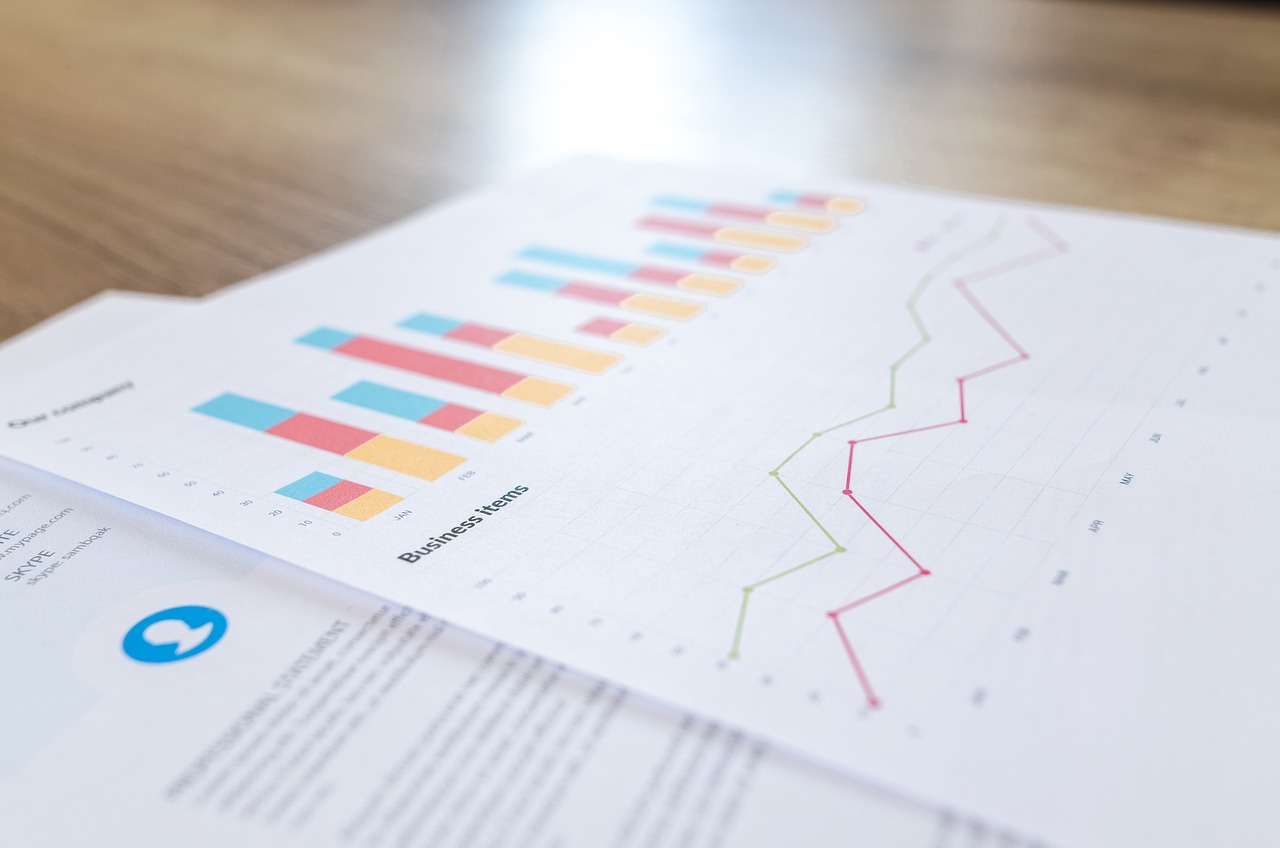
Cash flow planning & modelling in Hertfordshire & Essex
See how your money could last, year by year. Find out whether you can afford to retire, and test the what-ifs before you make big decisions.
Most financial worries come down to one question: will I have enough? Cash flow planning helps answer it with your own figures, not a rule of thumb.
This information is intended only as guidance. For advice on your specific circumstances, please get in touch. Cash flow projections are based on assumptions and are not guaranteed; the outcomes they show may not be achieved.
Important — the risks
The performance of your investments is subject to risk. Its performance may fluctuate based on movements in the market and economic conditions. Capital is at risk. Currency movements may also affect the value of investments. You may get back less than you originally invested.
Past performance is not a reliable indicator of future performance. Tax treatment is based on an individual’s unique circumstances and may be subject to change.
What is cash flow planning?
Cash flow planning, also called cash flow modelling or lifetime cash flow forecasting, is a way of looking at your whole financial life on one timeline. We bring together what you earn, what you spend, your pensions, savings, investments and property, then project them forward year by year, using assumptions about growth, inflation and tax.
The result is a picture of how your money could rise and fall over the decades ahead: when you might stop work, which pots could pay for which years, and whether there is a point where spending looks likely to outrun your resources. It turns questions such as “can I afford to retire?” and “how much do I need to retire?” into something you can see, rather than guess at.
We use our own cash flow planning tool, built and developed in-house, so it is set up around the way we advise and the questions our clients ask most often.
What you get
- A year-by-year projection of your income, spending and wealth, for you alone or for you and your partner together, to an age you choose.
- Where your income comes from: salary, pensions, the State Pension, rental income, dividends and withdrawals from savings and investments, before and after retirement, with an estimate of income tax shown alongside.
- Your income compared with your spending each year, so any shortfall stands out clearly.
- How each pot is used over time, including the order in which savings, ISAs, investments and pensions are drawn on to fill any gap.
- A timeline of key moments: retirement, State Pension ages, big planned expenses and other life events.
- Stress tests and a range of outcomes (more on these below).
- A written report you can keep, with the assumptions recorded, and a clear on-screen presentation when we meet.
Prefer to watch? Our short cash flow financial planning video explains the idea in a few minutes.
How it works, step by step
- A free first conversation. We talk about what matters to you, what you would like to achieve and any worries. There is no cost and no obligation.
- Gathering the facts. We collect details of your income, spending, pensions, savings, investments, property and debts. If you have older pensions, we can request the information from the providers for you.
- Building your plan. We put the figures into our planning system and agree sensible assumptions for growth, inflation and spending, including how spending may change through the active and later years of retirement.
- Testing the what-ifs. We look at the scenarios that worry you most and show how the plan holds up.
- Talking it through. We go through the results together in plain English, then explain any recommendations, for example on pensions, investments or protection.
- Keeping it up to date. Life changes, markets move and tax rules change, so we revisit the plan at your reviews.
What-if scenarios we can test
The real value of cash flow modelling is being able to ask “what if?” and see the answer side by side with your main plan. Common questions include:
- Can I retire earlier? We can show what happens if you stop work at 60 rather than 65, with your salary ending sooner, and work backwards from the retirement income you want.
- What if markets fall? We can test lower growth, higher inflation and a run of poor returns in the first years of retirement, when a fall can do the most damage. We can also run thousands of simulated market paths to show a range of outcomes and how often the plan held up in that modelling. These are illustrations, not predictions.
- What if one of us dies or becomes seriously ill? We can model how the survivor’s income and spending would look, which helps us judge whether your protection is right.
- What about care costs later in life? We can add care fees from a chosen age to see whether the plan could absorb them.
- Can I afford to help my family? Gifts to children or grandchildren, help with a house deposit or school fees can be added as one-off or regular spending, so you can see what you could afford to give without putting your own future at risk.
- Could I spend less, or more? We can test how a change in spending affects the long-term picture.
Please remember: a cash flow model is a projection, not a guarantee. It is based on assumptions about investment growth, inflation, tax rules, spending and life expectancy, and real life will turn out differently. We use it to support our advice and we revisit it as things change.
Two specialist uses of our planning system
The same cash flow plan sits behind two areas where families often want help.
Estate & inheritance tax planning
A picture of everything you own and who owns it, an estimate of inheritance tax on your estate, and how gifts, trusts, life cover in trust and pensions could change it.
Inheritance tax planningSchool fees planning
The cost of private school and university for each child, year by year, including VAT and fee rises, and the different ways parents and grandparents could pay for it.
School fees planningWho cash flow planning suits
- People in their 50s and 60s asking “can I afford to retire, and when?”
- Couples who want to see their joint finances, including what happens if one of them dies first.
- Anyone with several pensions, ISAs and investments who wants to know how to draw on them.
- People already retired who want reassurance that their income can last, or who are thinking about gifting.
- Business owners planning an exit, and anyone facing a big decision such as downsizing or helping children onto the property ladder.
Cash flow planning in Hertfordshire and Essex
We are independent, whole-of-market financial advisers based in Roydon, near Harlow. Laurence Gould and Kealy Ball work with clients in Harlow, Hertfordshire and Essex, and across the UK, meeting in person or by video. If you are looking for a cashflow modelling financial planner in Hertfordshire or cash flow planning in Essex, we would be glad to talk.
Related guides and articles
- How much do you need to retire comfortably?
- The value of retirement planning
- Income drawdown
- Pension advice
- Investment advice
- Inheritance tax planning
- School fees planning
- Book a free initial chat
- Contact us
Cash flow projections are illustrations based on assumptions and are not guaranteed. Actual returns, inflation, tax and your own circumstances will differ, and outcomes may be better or worse than shown.
The value of investments and any income from them can fall as well as rise, and you may get back less than you invest. Past performance is not a reliable indicator of future performance. Tax treatment depends on your individual circumstances and may be subject to change in future.
Frequently asked questions
Quick answers — and you can always just call us on 0333 011 5550.
What is cash flow modelling?
Cash flow modelling projects your income, spending, savings, pensions and investments year by year into the future, using assumptions about growth, inflation and tax. It shows whether your money looks likely to last and lets you test different decisions before you make them. It is a projection, not a guarantee.
Can I afford to retire?
That depends on what you spend, what you have saved, your State Pension and other income, and how long your money needs to last. A cash flow plan built on your own figures shows how your retirement could look year by year, and how sensitive it is to things like retiring earlier, lower investment returns or higher inflation.
How much do I need to retire?
There is no single number. Rules of thumb can give a starting point, but the amount you need depends on the lifestyle you want, when you stop work and what other income you will have. We usually start with your spending and work backwards to the savings that could support it.
Is a cash flow forecast a guarantee?
No. A cash flow forecast is based on assumptions about investment returns, inflation, tax rules, spending and life expectancy, and the future will be different. That is why we stress test the plan, show a range of possible outcomes and review it regularly.
What information do I need to provide?
Your income, what you spend now and expect to spend later, your pensions, savings, investments, property and any debts, plus your plans and goals. Do not worry if you do not have every figure to hand: we can help you gather the details, including from your pension and investment providers.
How often should a cash flow plan be updated?
We normally revisit it at your review, usually once a year, and whenever something significant changes, such as retiring, receiving an inheritance, selling a property or a change in tax rules.
Do you offer cash flow planning in Hertfordshire and Essex?
Yes. We are based in Roydon, near Harlow, and work with clients across Hertfordshire, Essex and the rest of the UK. We can meet in person or by video, and the first conversation is free and with no obligation.
Let’s see how your plan looks.
Book a free, no-obligation chat. We’ll talk about your goals and how cash flow planning could help — no pressure, no jargon.